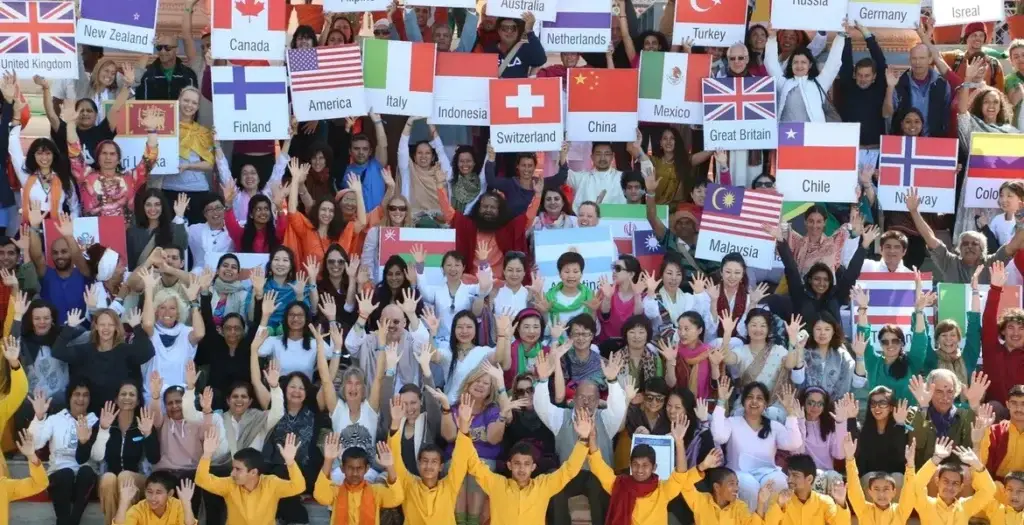
The noble traditions of Yoga, Meditation and Pranayama have, over the last three decades, become a catalyst for transformative and positive changes to the mind, body and spirit. As an example, in the United States, yoga practice increased from 9.5% of the population in 2012 to 14.3% in 2017 according to a 2017 National Health Interview Survey. Involvement by children doubled during the same period. As part of this increased participation, people are coming to realize that Yoga is more than asanas and meditation.
Yoga, as taught by Patanjali, is an eight-fold path with each limb flowing gracefully and naturally, one into the other, yet flexible enough the limbs may be experienced ordered in a multitude of variations. The first two limbs of Yoga are the Yamas and Niyamas, or the ethical rules for living and interacting within community. This, by extension, can encompass the world at large. The third limb refers to the practice of asanas for keeping the body healthy and supple. Asanas are also critical for preparing the mind for the more subtle practices that come next. The fourth limb is Pranayama, or control of the breath – the vital energy permeating the body. It is said that the number of breaths we are allowed to take on this earth was written at the time of our birth. Yoga teaches that longevity depends on the rate at which we breathe. As we lower the rate of breathing, we can increase the length of our lives. Pranayama has an effect on both body and mind, and is a means of attaining higher states of awareness and consciousness.